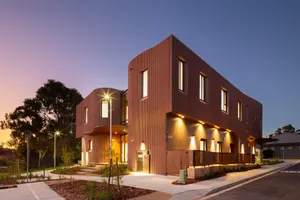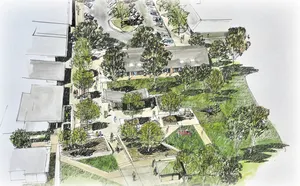

At Casey, the ACT Government’s recreation park tackles a familiar gap in suburban life: making room for older children, informal sport and families whose interests no longer fit around the same slide.
A suburb can have several playgrounds and still leave a teenager wondering where to go. A small climbing frame does little for someone who wants to kick a ball, practise cricket or spend an afternoon outside with friends.
That was a useful question behind Casey Community Recreation Park in northern Canberra. The ACT Government’s brief called for a broader range of recreation, and the landscape design review found plenty of equipment for younger children in the surrounding suburb. The opportunity was to offer something different as children grew older, while keeping the park useful to the rest of the family.
Start with what the neighbourhood is missing
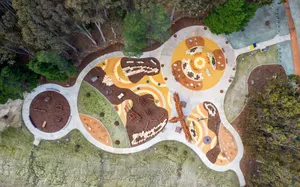
The early design report drew on community feedback calling for nature play, mixed-use courts, accessible play and irrigated grass for informal games. It also identified interest in activities such as cricket practice, cycling and fitness, with particular attention to teenage children.
Those requests suggest a more useful starting point than choosing equipment from a catalogue. What can residents already do nearby, and what would give them a reason to use this particular place?
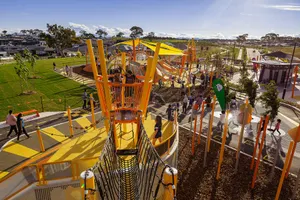
For a client investing in public space, the distinction is practical. Repeating a familiar playground may add another dot to a map without adding much choice. Bringing a court, cricket net, flying fox and open lawn into the same park gives different interests room alongside one another.
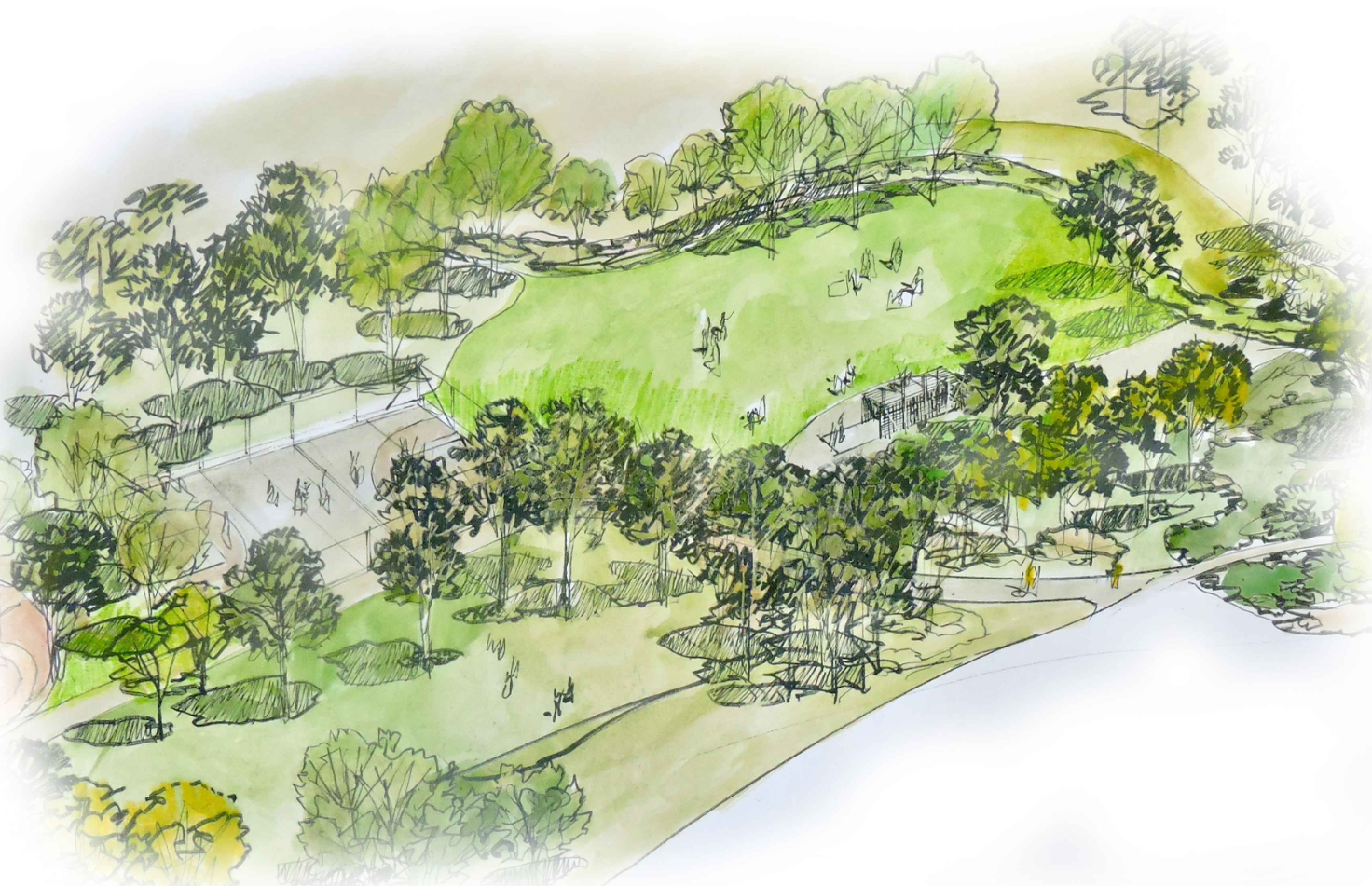
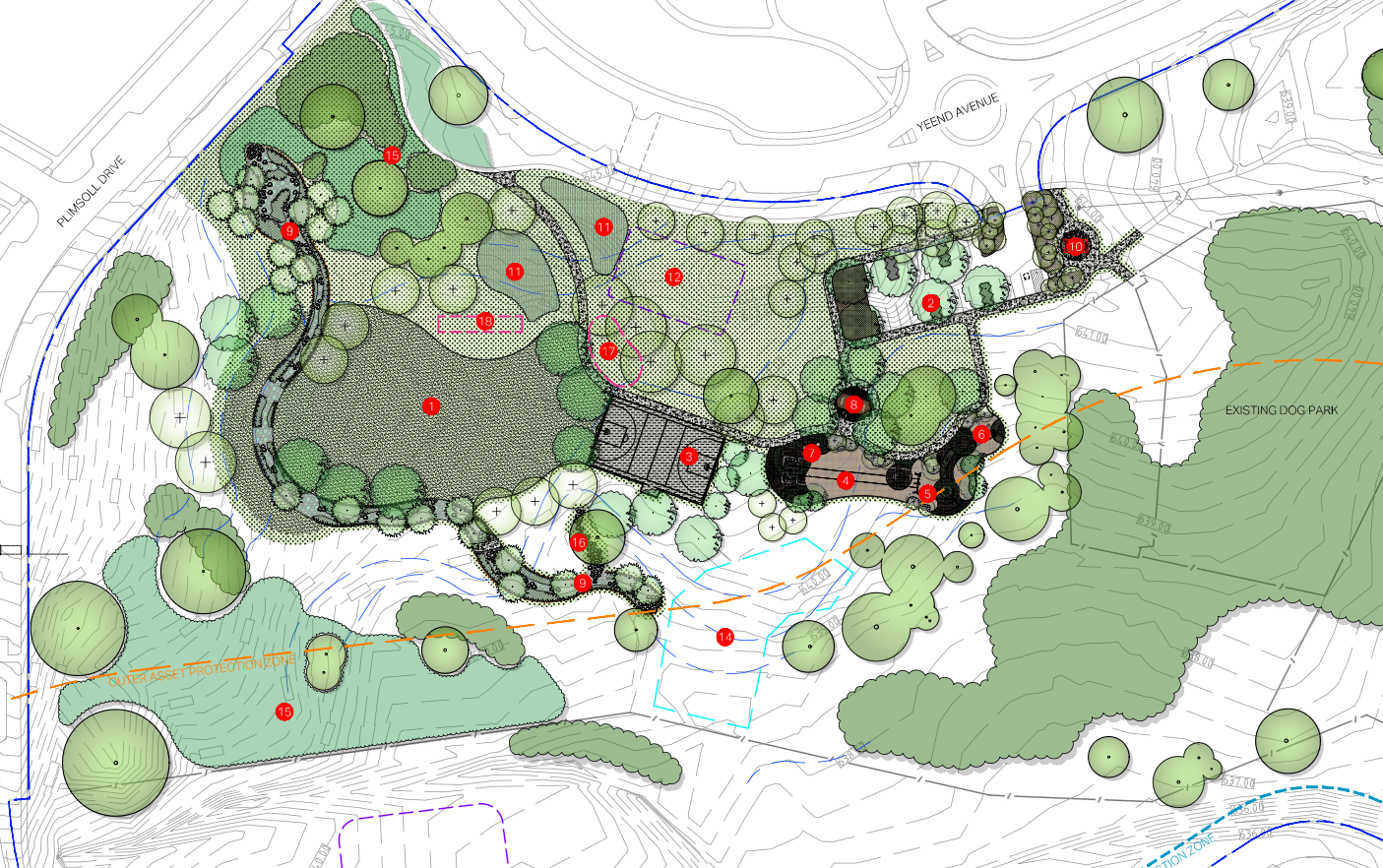
Redbox Design Group, part of Pacific Infrastructure Group, developed the landscape design, using the community priorities and a review of nearby play spaces to shape the mix of recreation. The layout worked with existing clearings and groups of trees to bring those activities into the site.
The trees were part of the brief
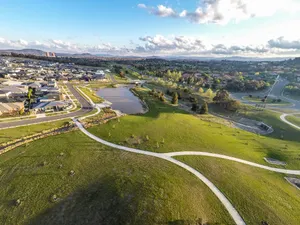
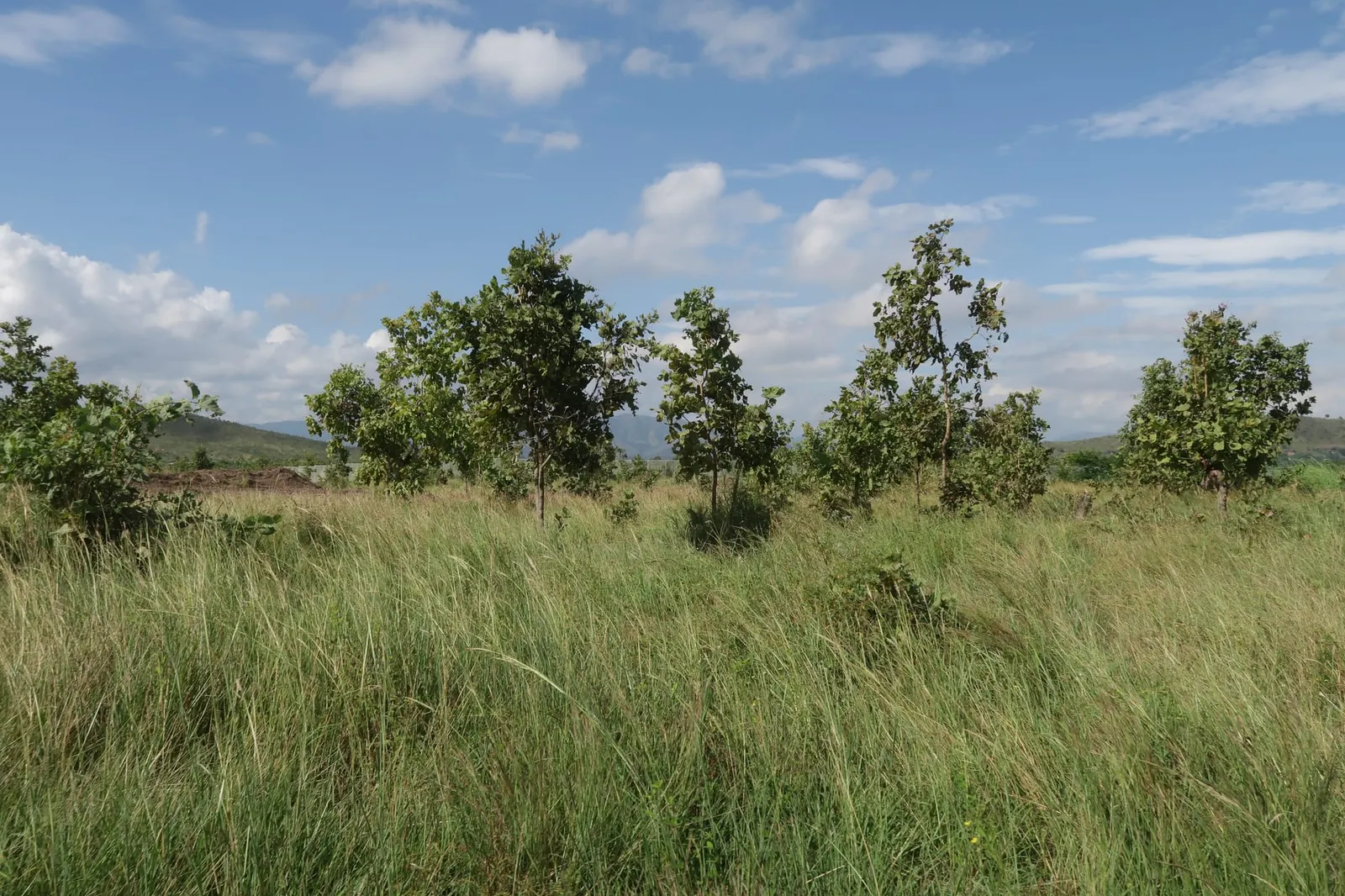
The land between Yeend Avenue and Plimsoll Drive already had a strong identity. Established native trees stood among younger growth, with drainage lines crossing the site and the dog park nearby. Treating that landscape as something to clear and replace would have missed much of its value.
The ACT Government’s consultation also made protection of the natural setting a clear priority. The landscape response concentrated new activities in disturbed or open areas and considered how existing trees, regeneration and fallen timber could remain part of the park.
That approach asks more of a design than arranging facilities on an empty rectangle. Paths, play spaces and services have to fit around what is worth keeping. In return, the park begins with a landscape that has depth and character, rather than relying entirely on what new planting might become.
The people watching need a place too
A recreation park also has to work for the person who is not playing. A seat, shelter or picnic table can make the difference between standing at the edge of an activity and having somewhere comfortable to spend time.
At Casey, the design brought those everyday needs into the same brief as sport and play. Barbecues, picnic shelters, drinking water and a public restroom were considered alongside paths and recreation areas. They give families options for sharing a visit without everyone having to do the same thing.
The completed park opened in 2024. Its mix of activities offers a useful example for other communities deciding what their next public-space investment should provide.
When children outgrow a playground, their need for somewhere local to spend time has hardly disappeared. A well-considered park leaves room for them to grow up without growing out of the neighbourhood.